
custom glass fabrication
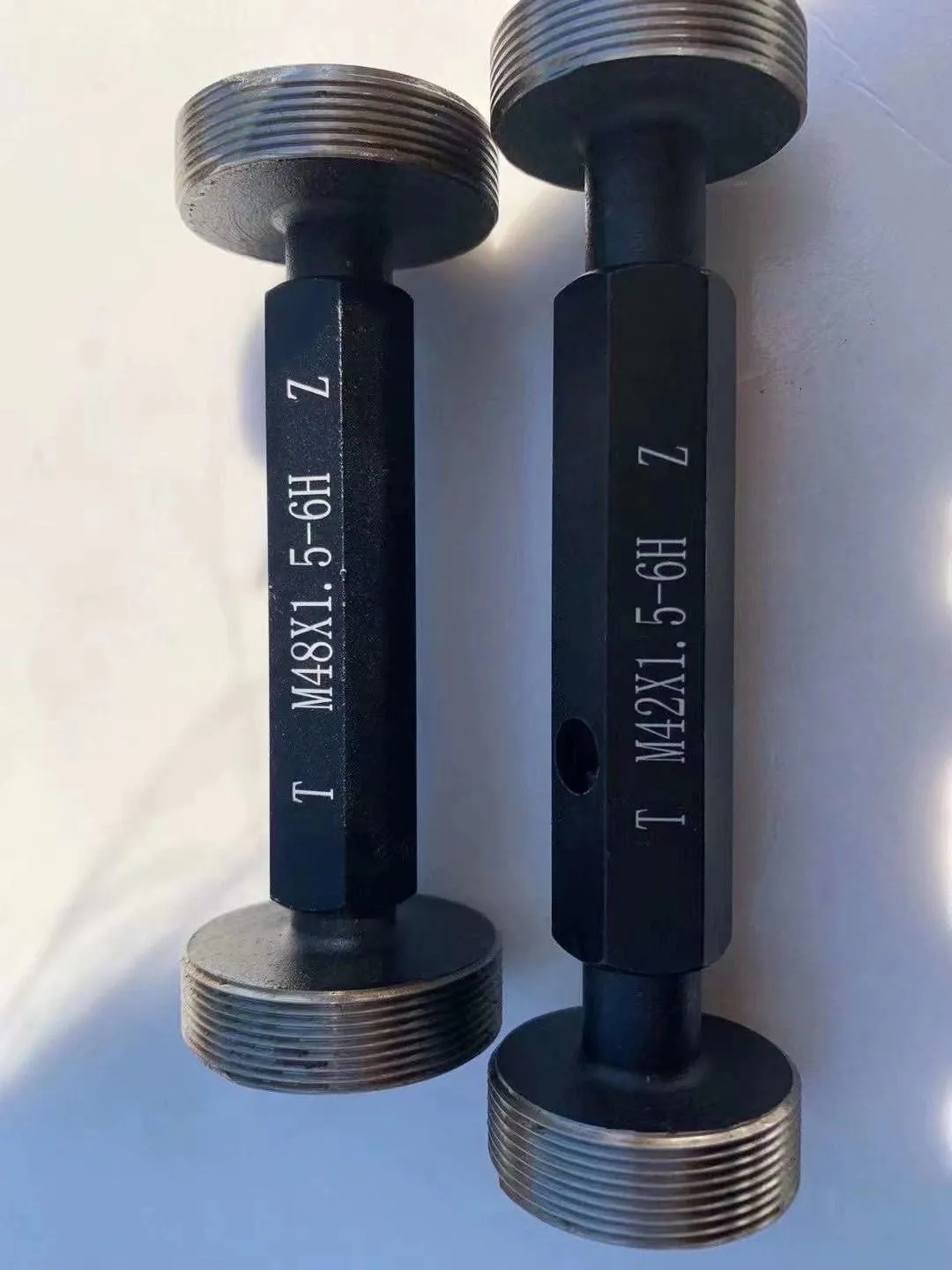
In the realm of industrial manufacturing, precision is non-negotiable. Plug gauges , plain plug gauges , and plug ring gauges are indispensable tools for ensuring components meet exacting tolerances. For wholesalers supplying these critical instruments, understanding their design, application, and maintenance is key to serving high-volume industries like automotive, aerospace, and machinery production. This article explores the role of plug gauges in quality control, emphasizing strategies for bulk procurement, material selection, and compliance to meet the demands of large-scale manufacturing. Plug Gauges: The Backbone of Dimensional Accuracy in Manufacturing Plug gauges are mechanical inspection tools used to verify the conformity of hole diameters and shaft dimensions against specified limits. This binary pass/fail system ensures rapid, reliable quality checks—critical for high-volume production lines. For wholesalers, the appeal lies in standardization. Bulk buyers, such as automotive , require thousands of identical plug gauges to maintain consistency across global supply chains. Offering gauges calibrated to international standards ensures compatibility with systems, reducing integration delays. Additionally, modular designs allow clients to interchange gauge tips, minimizing inventory costs. Furthermore, the standardization of plug gauges facilitates ease of use and training for technicians across different facilities. With a universal design, technicians do not need specialized training for each type of gauge, streamlining operations and enhancing productivity. This uniformity also simplifies maintenance and repairs, as spare parts are interchangeable and readily available. Plain Plug Gauges: Streamlining Cylindrical Hole Verification Plain plug gauges specialize in measuring the internal diameters of cylindrical holes, such as engine bores or hydraulic valve ports. These gauges feature a single or double-ended design, with one side matching the minimum acceptable hole size and the other reflecting the maximum limit. In wholesale settings, material choice is paramount. High-carbon steel gauges are cost-effective for general use, while tungsten carbide variants offer longevity in abrasive environments like cast iron machining. Wholesalers should highlight certifications like ANSI/ASME B89.1.5 to assure clients of gauge accuracy. Bulk packaging solutions—such as foam-lined crates for shock protection—also add value, reducing transit damage risks. Plug Ring Gauges: Precision for External Diameter Inspection Plug ring gauges serve the inverse function of plain plug gauges , verifying the external diameters of shafts, pins, or threaded fasteners. For wholesalers, customization drives demand. Aerospace manufacturers, for instance, may require plug ring gauges with ultra-tight tolerances for turbine shafts. Collaborating with manufacturers to offer laser-etched tolerance markings or anti-corrosive coatings enhances marketability. Bulk buyers also prioritize traceability; providing calibration reports with each batch builds trust and streamlines audits. Material and Certification Standards for Wholesale Plug Gauge Success The durability and accuracy of plug gauges hinge on material and manufacturing rigor. Key considerations include: Carbon Steel: Economical for general-purpose use. Stainless Steel: Resists rust in humid or chemical-heavy environments. Carbide: Ideal for high-wear applications like gearbox component inspection. Certifications:ISO/IEC 17025 accreditation for calibration laboratories. Wholesalers must partner with certified manufacturers to guarantee consistency across bulk orders. Offering bundled calibration services or multi-year maintenance contracts can differentiate suppliers in competitive markets. FAQ: Addressing Wholesale Plug Gauge Procurement Challenges What distinguishes a plain plug gauge from a plug ring gauge? A plain plug gauge checks internal hole diameters, while a plug ring gauge verifies external shaft dimensions. The former is inserted into a hole, the latter slid over a component. How often should plug gauges be recalibrated in automotive production? High-volume lines should recalibrate plug gauges every 3–6 months. Factors like material hardness and usage frequency may shorten intervals. Are carbide plug gauges worth the higher cost for bulk buyers? Yes. Carbide’s wear resistance reduces replacement frequency, offering lower total cost of ownership despite higher upfront prices. Can plug gauges be customized for non-cylindrical applications? Yes. Specialty plug gauges with hexagonal or square profiles are available for unique components, though lead times and costs increase. What certifications are critical when sourcing plug gauges wholesale? Prioritize ISO 17025, dimensional standards, and hazardous substance compliance. For wholesalers, plug gauges are more than inspection tools—they are enablers of industrial precision. By mastering material science, certifications, and client-specific customization, distributors can deliver unmatched value to bulk buyers. In an era where microns define quality, the right plain plug gauges and plug ring gauges empower manufacturers to achieve excellence at scale, solidifying their trust in wholesale partners. Moreover, the versatility of these gauges allows them to be adapted for various applications across different industries. Whether it's in the automotive sector, aerospace, or precision machinery, wholesalers can provide tailored solutions that meet the unique needs of each client. This focus on customization not only enhances the precision of manufacturing processes but also fosters long-term relationships built on reliability and expertise. As technology evolves, wholesalers who continue to innovate and stay abreast of industry standards will remain indispensable partners in driving industrial precision forward.
about
custom glass fabrication
The Importance of Taper Gauge Measurement in Precision Engineering In the realm of precision engineering, the accuracy of dimensions and tolerances plays a critical role in ensuring the functionality and reliability of mechanical components. One of the essential tools used in measuring dimensions, particularly in cylindrical workpieces, is the taper gauge. This article delves into the significance of taper gauge measurement and its application in various industries. A taper gauge is designed to measure the taper or angle of a surface, allowing engineers and machinists to assess how much a workpiece deviates from its specified taper. Tapers are commonly found in numerous applications, such as in the production of machine tools, pipes, and automotive components. Measuring taper is vital because even minute discrepancies can lead to improper fit or functionality, resulting in costly rework or product failure. The process of taper gauge measurement involves inserting the tapered end of the gauge into the conical feature of the workpiece. The gauge consists of a series of marked increments that correspond to specific angles and diameters . By determining where the gauge fits snugly, engineers can ascertain whether the workpiece is within acceptable limits. This straightforward yet effective approach allows for quick assessments, enhancing productivity without compromising accuracy. taper gauge measurement Moreover, the versatility of taper gauges extends beyond simple measurements. They can be employed in quality control processes to verify that components conform to engineering specifications. In industries such as aerospace, automotive, and manufacturing, where precision is paramount, taper gauges serve as a reliable means to uphold stringent quality standards. In addition to its practical applications, taper gauge measurement is crucial in maintaining compliance with industry regulations and standards. Many sectors have strict guidelines that necessitate the use of precise measurement tools to ensure safety and performance. Utilizing taper gauges not only aids in complying with these requirements but also fosters a culture of excellence within organizations. In conclusion, taper gauge measurement is a vital aspect of precision engineering that warrants careful attention. By utilizing this tool, engineers and machinists can guarantee the integrity of their workpieces and uphold quality standards. As manufacturing processes continue to evolve, the role of taper gauges will remain indispensable, ensuring that components fit together seamlessly and perform optimally in their intended applications.
-

High quality industrial productsagement

High quality industrial products
View Details -

Meet the diverse needs of customers

Meet the diverse needs of customers
View Details -

Strict quality control

Strict quality control
View Details -

Top raw materials

Top raw materials
View Details -

Trusted supplier

Trusted supplier
View Details
Our application


news and information

Vesiventtiili 3 4
Vesilukon tarkastusventtiili tärkeys ja toimintaperiaate Vesilukon tarkastusventtiilit ovat keskeisi

Valvola a saracinesca 1500
Valvole a Sfera 1500 Caratteristiche e Applicazioni Le valvole a sfera sono uno dei componenti fonda
V-Block Designs for Efficient Machining Applications
V-Blocks for Machining An In-Depth Overview In the world of precision machining, the importance of e
 English